
Investment Lending 101: Your Guide to Getting Started
July 10, 2025
Ready to take control of your financial future? Here’s how to build a strong foundation in investment lending—from key concepts to smart strategies.
Whether you're just beginning your investment journey or looking to deepen your understanding of real estate finance, building a strong knowledge base is your most valuable asset. A well-informed investor is better equipped to identify opportunities, avoid costly mistakes, and make confident financial decisions.
Here are a few core areas to focus on as you level up your investment IQ:
- Understand the Basics of Investment Lending
Learn how business-purpose loans differ from traditional mortgages. Explore terms like LTV (loan-to-value), DSCR (debt service coverage ratio), and ARV (after-repair value), which are critical in real estate investing. - Know Your Loan Types
From DSCR and bridge loans to fix-and-flip and new construction financing, each loan serves a unique purpose. Understanding when and how to use each type can greatly enhance your deal structuring and profitability. - Evaluate Risk and Return
Smart investors don’t just chase returns—they assess risk. Learn how to weigh potential upside against variables like interest rates, holding costs, and market volatility. - Plan Ahead for Liquidity and Reserves
Capital requirements go beyond just the down payment. Knowing how much liquidity you’ll need for reserves, rehab budgets, and contingencies is key to getting approved and managing projects successfully. - Keep Learning
The market is constantly evolving. Stay informed by reading blogs, attending webinars, talking to experienced lenders, and reviewing real-world case studies.
At Lend Investors Capital, we believe informed investors make the strongest partners. Whether you're financing your first project or scaling a portfolio, we’re here to help you grow with confidence and clarity.
Read More From LEND

Master rental property management. Discover tech strategies to boost tenant retention, protect your asset's DSCR, and scale your portfolio faster.
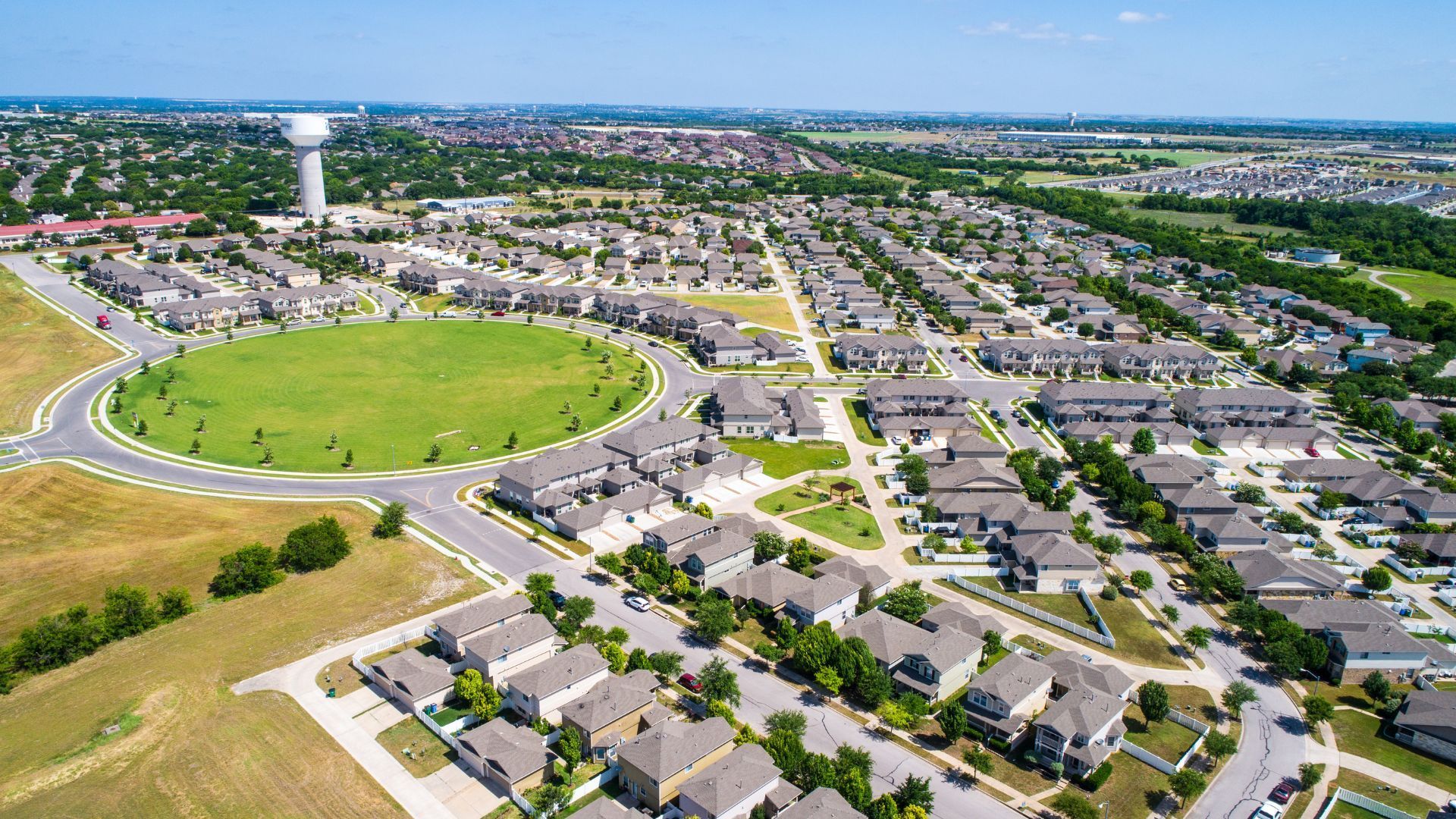
Texas Real Estate in 2026: Where to Target Your Capital For years, the story of Texas real estate was one of runaway appreciation, bidding wars, and critically low inventory. But as we move through 2026, the Lonestar State is undergoing what economists call the "Great Housing Reset." According to data from the Texas Real Estate Research Center (TRERC) , statewide median home prices dipped roughly 2.1% year-over-year in early 2026, while active listings climbed to levels not seen in over 15 years. This isn't a market crash; it's a structural normalization. As a real estate investor, you constantly wear two hats: you need a buyer's market to secure deep discounts on the front end, but you rely on a stable seller's market to maximize your profits on the exit. The unique advantage of the 2026 Texas market is that it is finding a healthy equilibrium between the two. With rising inventory and meaningful seller concessions, you finally have the negotiation leverage to bake a strong profit margin into the purchase price, the gold standard of investing. Meanwhile, the state's economic growth ensures that a steady pool of qualified retail buyers and renters is waiting at the finish line, provided your exit pricing is realistic and your product is structurally sound. Here are the top areas in Texas where smart money is locating opportunities in 2026. North Texas Spillover (Sherman-Denison) While the core Dallas-Fort Worth (DFW) metroplex remains a highly stable economic anchor, savvy investors are looking just north along the U.S. 75 corridor to the Sherman-Denison metro area. The Catalyst: A massive $60 billion industrial investment by Texas Instruments has turned this secondary market into a manufacturing behemoth, sparking an immediate need for localized workforce housing. Unlike major metros that experienced steep post-pandemic corrections, Sherman-Denison has shown incredible price resilience, maintaining a 10% average annual growth rate over the past five years. If you are executing a Fix-and-Flip or Build-to-Rent strategy, this corridor offers strong fundamental demand without the premium land costs of central Dallas. Houston Suburban Corridors (Cypress & Fulshear) Houston has proven to be the most stable major metro area in Texas during this rebalancing cycle. Driven by a highly diversified economy spanning healthcare, energy, and aerospace, suburban demand is holding incredibly strong. According to the Houston Chronicle , suburban submarkets like Cypress, Fulshear, and Katy are experiencing steady growth. The Strategy: Single-Family Rentals (SFR) via long-term DSCR loans. The Draw: Working professionals are migrating toward the Grand Parkway corridor seeking master-planned communities, top-tier schools, and lower localized property tax structures. San Antonio Metropolitan If your primary investment metric is immediate cash flow and yield, San Antonio is currently the most accessible major metro in the state. Independence Title's 2026 Market Analysis reports that San Antonio has seen an active inventory surge. This influx of inventory has forced a wave of seller price cuts. TRERC data shows the median seller price reduction in San Antonio has reached $18,000 (roughly a 5.2% discount off initial list prices) . Investors can use this inventory spike as immense leverage at the negotiation table to buy properties deep, stabilize them with minor cosmetic renovations, and position them as high-yielding long-term rentals. Austin Suburbs (Round Rock & Pflugerville) Urban Austin felt the sharpest correction from its pandemic-era peak, with home values softening by roughly 3% year-over-year into 2026. However, this correction has created a rare "buy the dip" opportunity in its immediate tech-centric suburbs, specifically Round Rock and Pflugerville . As corporate expansions continue to draw thousands of tech workers to Central Texas, these suburban submarkets are producing highly attractive 6.5% to 7.5% cap rates . By focusing your capital outside the expensive urban core, you can capture premium tenant quality while keeping your acquisition costs manageable. Funding Your Texas Portfolio in a Balanced Market In a market defined by high inventory and motivated sellers, your ability to close quickly and cleanly is your greatest asset. Sellers in 2026 aren't just looking for the highest price; they are looking for transaction certainty. At Lend Investors Capital , we specialize in providing the agile, asset-based financing required to capitalize on these Texas opportunities. Whether you need a Rehab Loan to flip an undervalued asset in San Antonio, or a long-term DSCR loan to lock in cash flow in Houston, we look at the strength of the deal—not your personal finances. Ready to deploy capital into the Texas market? Contact Lend Investors Capital today to analyze your next project and secure the competitive financing you need to scale.

Real estate investors: Is staging actually worth the cost? Learn how staging impacts your ROI, carry costs, and sales speed in our comprehensive 2026 guide.